

Unique casino Plinko
Introduction
I’ve reviewed enough casino products to know that the simplest-looking formats often create the strongest reactions. Unique casino Plinko is a good example. At first glance, it seems almost too basic to deserve a long analysis: you drop a ball from the top of a pegboard, it bounces left and right, and eventually lands in a payout slot at the bottom. That is the whole visual idea. Yet in practice, Plinko creates a very specific kind of tension that many classic slots do not replicate.
What makes this format worth serious attention is the gap between appearance and actual play experience. The interface is clean, the rules are easy to understand in seconds, and there is no complicated paytable to memorize. But once I look past that simplicity, I see a product built around pace, probability distribution, stake control, and the player’s tolerance for variance. That is exactly why Plinko has become so noticeable across modern online gambling platforms, including Unique casino.
For a player in Canada trying to decide whether this format is worth a session, the right question is not “Is Plinko easy?” It is. The real question is whether its style of randomness, speed, and payout structure matches the kind of experience the player actually wants. In this review, I’ll break down how Unique casino Plinko works, what the game really offers, where the pressure points are, and who is likely to enjoy it.
What Plinko really is and why players notice it so quickly
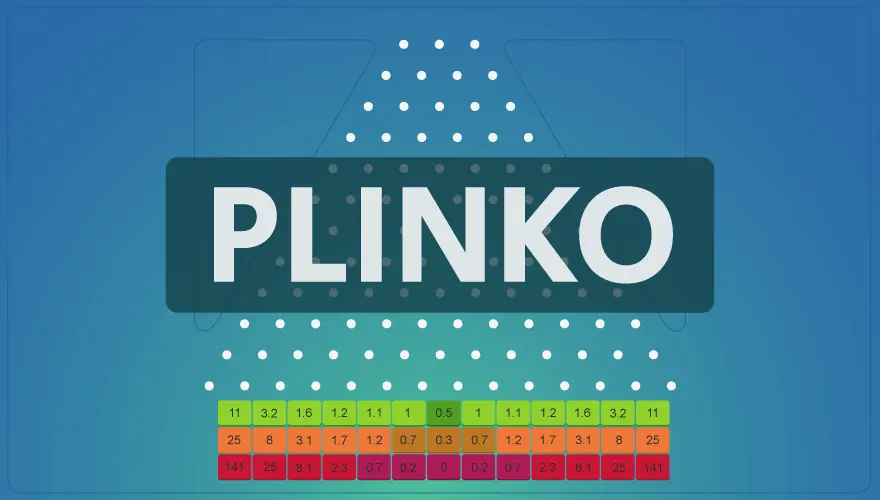
Plinko is a probability-driven casino game built around a falling ball and a field of pins. The ball is released from the top, collides with multiple pegs on the way down, and ends in one of several multiplier zones. The final multiplier determines the return on the stake. That description sounds almost mechanical, and in a sense it is. But the appeal comes from the way the motion translates abstract probability into something visual and immediate.
In slots, the random result is usually hidden behind spinning reels and symbol combinations. In Plinko, the path feels visible even though the outcome is still governed by chance. That matters psychologically. Players are not just waiting for a result; they are watching it develop in real time. Every bounce creates a small moment of expectation. This is one of the reasons the game stands out so strongly on platforms like Unique casino.
Another reason for its visibility is that Plinko compresses the experience. There are no long animations, no complete Unique Casino bonus review rounds to unlock, and no narrative layer to slow things down. A single round can finish in seconds. For some players, that is a major advantage. For others, it is exactly where caution is needed, because fast resolution changes how quickly a bankroll can move.
One observation I keep returning to is this: Plinko often feels more “honest” than a slot because the structure is exposed, but that does not make it more predictable. It only makes randomness easier to watch.
How the core Plinko system works at Unique casino
The basic gameplay loop in Unique casino Plinko is straightforward. The player selects a stake, chooses a risk setting, and in many versions can also choose the number of rows. Then the ball is dropped. As it hits each peg, it deflects left or right until it reaches the bottom row of payout cells. Each cell has a multiplier attached to it. Lower multipliers tend to sit near the center, while the highest multipliers are usually placed at the far edges.
That layout is not accidental. It reflects the statistical shape of the game. Central landing zones occur more often because there are more possible paths leading toward the middle. Edge results are rarer because the ball must keep drifting in one direction more consistently. In practical terms, this means that the most dramatic returns are possible, but they are not meant to appear often.
Here is a simplified breakdown of the main adjustable elements players usually encounter:
| Element | What it changes | Why it matters in practice |
|---|---|---|
| Stake size | The amount risked per drop | Directly affects session cost and emotional pressure |
| Risk level | The multiplier distribution across the board | Changes how often small returns appear versus rare high hits |
| Number of rows | The length and shape of the ball’s path | Influences result spread and the feel of the session |
| Auto-play options | Speed and repetition of rounds | Can accelerate bankroll swings if used carelessly |
The important point is that these settings do not “beat” the game. They change the profile of the experience. That distinction matters. Too many players treat risk level as if it were a hidden strategy tool. It is not a strategy in the usual sense. It is more like choosing what kind of volatility curve you are willing to sit through.
Understanding the ball path, rows, and the illusion of control
One of the most interesting aspects of Plinko is how it creates a feeling of involvement without offering much real influence over the outcome. Yes, the player may choose where to release the ball in some versions, and yes, the path looks dynamic. But the actual result remains random within the game’s design. Watching the ball bounce can make the process feel interactive in a way that reel-based products often do not.
This is where Unique casino Plinko becomes more nuanced than it first appears. The board gives the player a visible journey, but not meaningful control over the destination. That can be entertaining, but it can also lead to false confidence. A few near-edge finishes may tempt someone into believing a big multiplier is “due.” It is not. Each round is its own event, and previous drops do not push the next ball toward a better result.
I think this is one of the most important things to understand before launching a session: Plinko is simple, but it can still trigger familiar gambling mistakes. The design is minimal, not harmless. If a player starts reading patterns into a random bounce sequence, the clean interface stops being an advantage and becomes a trap.
A second useful observation is that longer boards do not automatically mean better value. More rows usually create a richer spread of possible outcomes and can increase the sense of suspense, but they also make the distribution structure more pronounced. In many cases, that means the center remains busy while the edges stay difficult to reach.
Why the tempo of Plinko feels so different during a real session
Plinko has a distinct rhythm. It is not built around anticipation in the same way as a slot bonus chase, and it does not create the strategic pauses of blackjack or video Unique Casino poker for Canadian players. Instead, it runs on short bursts of outcome, repeated rapidly. That gives the session a pulse that can feel light and entertaining at first, then surprisingly intense after a longer stretch.
In practice, the tempo depends on three things:
- How quickly the player repeats rounds.
- Whether auto-play is enabled.
- The chosen risk profile and emotional response to dry spells.
Low-stakes manual play can make Plinko feel almost casual. A player watches a few drops, adjusts settings, and treats the session as a visual probability exercise. But once the pace increases, the experience changes. Because each round resolves quickly, there is very little downtime between losses, partial returns, and occasional stronger hits. That compressed rhythm can make bankroll changes feel less dramatic in the moment than they really are.
This is one of the format’s more subtle features. The game does not need loud sound design or bonus theatrics to create intensity. The speed does that on its own. I’ve seen players underestimate this because the interface looks so calm. In reality, calm visuals can hide a very aggressive session flow.
Risk levels, probability distribution, and what they mean for actual results
Risk level is the setting that most strongly shapes the identity of Unique casino Plinko. In low-risk mode, the multiplier map is usually flatter. Extremely large returns are smaller or less emphasized, while mid-range and modest outcomes appear more often. In high-risk mode, the board tends to become more polarized: many low-return or losing results cluster around the center, while the outer edges carry the eye-catching top multipliers.
That sounds simple enough, but the practical effect is significant. A low-risk setup can produce a steadier feeling session, though not necessarily a profitable one. A high-risk setup can go quiet for long stretches and then suddenly produce a standout hit. The emotional experience between those two modes is completely different.
| Risk mode | Typical session feel | Who may prefer it |
|---|---|---|
| Low | More stable, less dramatic, fewer extreme outcomes | Players who want smoother pacing and smaller swings |
| Medium | Balanced mix of routine results and occasional stronger returns | Players testing the format without going too far in either direction |
| High | Longer dry periods with the possibility of rare large multipliers | Players comfortable with sharp variance and uncertain sessions |
What matters most is not the label itself, but whether the player understands what the label implies. High risk does not mean “better winning potential” in any practical short-session sense. It means broader dispersion of outcomes. That often translates into a rougher ride. If someone enters Plinko expecting regular reinforcement while using a high-risk board, disappointment tends to arrive quickly.
There is also a common misunderstanding around probability. Because the board is symmetrical, many players assume the game is somehow balanced in a way that gives them a fair shot at all multipliers. That is not how the distribution works. Symmetry in appearance does not mean equal likelihood across all landing zones. The center is usually where probability mass lives. The edges are where the dream lives.
How risky is Plinko, really, and who should treat it carefully
Plinko can be mild or severe depending on settings, but I would not describe it as a naturally gentle format. Even in lower-risk configurations, the game is still driven by repeated independent outcomes and a house edge. In higher-risk configurations, it can become one of the more swing-heavy products available in a modern casino lobby.
From a bankroll perspective, the key issue is speed multiplied by variance. A single drop may look harmless. A hundred drops in quick succession are something else. This is why I consider Plinko more demanding than its visuals suggest. The challenge is not understanding the rules; the challenge is respecting the session dynamics.
Players who may enjoy it most include:
- People who like fast, clean gambling formats without story elements or long bonus cycles.
- Players comfortable with randomness being visible rather than hidden behind reels or cards.
- Users who want to adjust risk settings and feel the difference immediately.
Players who may be better off elsewhere include those who need deeper decision-making, those who prefer extended feature rounds, and those who become frustrated by repeated low-value outcomes. If a player wants a sense of agency, blackjack is stronger. If they want themed entertainment and layered features, slots offer more variety. If they want a slow-burn session, Plinko is rarely the best fit.
What players need to know about session rhythm, expectations, and bankroll pressure
Before starting Unique casino Plinko, I would focus on expectations more than on excitement. The game is capable of producing memorable spikes, but that is not the same as being consistently rewarding. Most sessions are defined by repetition: many ordinary results, some partial recoveries, and occasional standout moments. That pattern is normal.
A practical approach helps:
First, decide whether the goal is entertainment through rapid rounds or a longer session with tighter control. That choice should determine stake size. Second, test the selected risk mode with modest amounts before increasing exposure. Third, be careful with auto-play. It is useful for convenience, but it also removes the natural pause in which players usually reassess what is happening.
One detail that often gets overlooked is emotional fatigue. In Plinko, the visual simplicity can make long sessions feel lighter than they are. But repeated near-misses at the edges, especially on high-risk settings, can create a chasing mindset. The board almost invites the player to believe the next rare multiplier is close. That feeling is exactly when discipline matters most.
How Plinko compares with slots and other casino games
Plinko sits in an unusual position. It shares the randomness of slots, the speed of instant-win products, and a small amount of visual suspense that resembles arcade design more than traditional gambling. But it is not simply a slot without reels. The difference is structural.
Classic online slots are built around symbol combinations, paylines or clusters, feature triggers, and theme presentation. They often rely on layered engagement: base game, bonus buy in some cases, Unique Casino free spins review for players comparing real money casinos, expanding symbols, multipliers, and so on. Plinko strips almost all of that away. The result is more transparent, but also less varied from round to round.
Compared with roulette, Plinko offers a more animated result path. Compared with blackjack, it offers far less player input. Compared with Unique Casino crash games details for players comparing casino options, it is less about timing decisions and more about accepting the outcome structure in advance. That makes it appealing to players who want a direct random format without having to manage many choices once the round begins.
Its main distinction from slots is this: in Plinko, the entertainment comes from distribution and tempo, not from content depth. If a player understands that, they are less likely to misread what the game is designed to do.
Practical strengths and limitations of Unique casino Plinko
When I assess Unique casino Plinko as a player-facing product, I see a format with clear advantages and equally clear boundaries. It does not pretend to be something else, which I appreciate. But that honesty also means its limitations show up fast if the format does not suit the player.
Where Plinko works well:
- It is easy to learn. New players understand the board in seconds.
- It communicates randomness visually, which many users find more engaging than hidden reel math.
- It allows quick adjustment of risk profile, making the session feel customizable.
- It works well for short sessions because rounds resolve quickly.
Where it can disappoint:
- It can feel repetitive if the player wants evolving features or thematic depth.
- High-risk sessions may produce long stretches of weak outcomes.
- Fast pacing can magnify losses before the player fully registers the trend.
- The visible path may create a misleading sense that patterns can be read or anticipated.
That last point is especially important. One of the more memorable things about Plinko is that it turns randomness into a spectacle without making it more manageable. That is clever design, but it also explains why some players love the format and others bounce off it after a short trial.
What to check before launching a Plinko session
If I were advising a player before they open Unique casino Plinko, I would keep the checklist simple and practical.
- Check the risk setting first. Do not start on high risk just because the top multiplier looks attractive.
- Set a session budget before the first drop. The speed of the format makes this more important than it may seem.
- Use a small stake while learning the board behavior. Not because the game can be solved, but because different settings feel very different.
- Watch how quickly rounds accumulate. A fast sequence can distort your sense of spending.
- Treat rare multipliers as exceptions, not targets. If the session plan depends on hitting one, the plan is weak.
If a demo mode is available, it is worth using briefly. Not to discover a “system,” but to understand the pace and the emotional rhythm of the board. In Plinko, that rhythm matters almost as much as the payout table because it shapes decision-making during the session.
Final verdict on Unique casino Plinko
Unique casino Plinko offers a very specific gambling experience: fast rounds, visible randomness, adjustable risk, and a clean interface that hides surprisingly sharp session swings. Its main strength is clarity. A player can understand the format immediately and still find depth in how risk settings, row count, and pacing change the feel of play. That makes it accessible without being trivial.
Its strongest practical advantages are speed, simplicity, and the ability to tailor the session profile. Its main caution points are just as clear: high variance on certain settings, limited long-term variety, and a tempo that can pressure bankroll discipline. In other words, Plinko is not complicated, but it is not as soft as it looks.
I would recommend it to players who enjoy direct probability-based formats and who like seeing the result unfold on screen rather than behind slot reels. I would be more cautious with it for players who want strategic control, story-driven presentation, or long feature cycles. For the right audience, Unique casino Plinko is engaging because it turns pure chance into a visible event. For the wrong audience, it can feel repetitive or too swing-heavy very quickly.
The honest conclusion is this: Plinko does not promise depth through complexity. It offers intensity through structure. If a player understands that before starting, the format makes sense. If not, the simplicity can be misleading.
FAQ
How does Plinko work in the browser version?
A ball is dropped from the top and bounces down through pegs until it lands in a score slot. Each slot corresponds to a multiplier, which determines the result of that round. The board is designed for quick spins and short sessions.
Which risk level should be expected from Plinko ball drops?
Plinko typically has variable outcomes because the ball can land across many different scoring areas. Volatility can feel quick since rounds end fast. A practical check is to review the in-game risk or volatility information shown before starting real-money play.
Where are Plinko game options and real-money play controls located?
The controls are typically inside the game lobby tile and the Plinko screen itself. The mode switch (demo or real money), bet or stake controls, and round start button appear in the game interface. If options are missing, the correct loading state should be confirmed before placing any bet.
What common beginner mistake should be avoided in Plinko?
Plinko rounds move quickly, and it is easy to place multiple drops without reviewing the stake. Keeping an eye on the current bet amount and round settings before launching prevents accidental overspending. A practical check is to pause between rounds until the multiplier zone is clearly understood.